Science should be rigorous.
It should also be human.
Before I was a researcher, I was a caregiver. I worked in a nursing home, surrounded by people living with Alzheimer's, chronic pain, and conditions I couldn't yet understand. I wasn't the one making decisions. But I was asking, every day: What can I truly contribute?
Research became my answer.
I completed a PhD in biomedical science — studying eosinophilic oesophagitis, analysing bulk RNA-seq data, growing primary cells, building 3D models, troubleshooting experiments that rarely behaved as planned. Long days, real stakes, genuine uncertainty.
To survive the complexity, I started building tools. Plate layout designers. qPCR templates. Data pipelines. Small things that saved hours — and gave me space to actually think. I realised that what excited me most wasn't generating results. It was designing systems that made research clearer.
I also watched brilliant people around me feel lost, unsupported, overwhelmed. Ideas rushed into publications that added little. Researchers working in isolation, without guidance, without the right scaffolding to do their best work.
This platform is what I wish had existed when I was a PhD student — rigorous tools, honest resources, and the belief that better science starts with better-supported scientists.
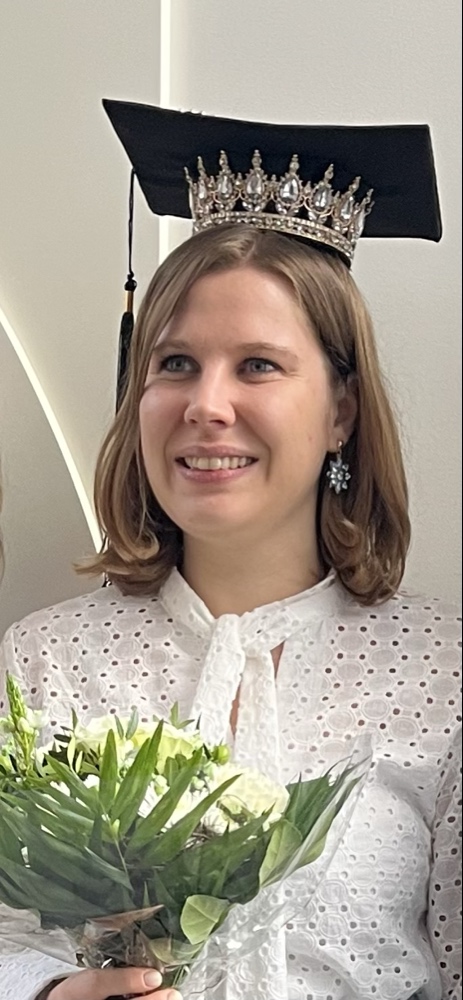
I'm Dr. Emilie Gueguen. Biomedical scientist, tool-builder, and researcher at the intersection of experimental biology, omics data, and scientific workflows. Welcome to The Research Atlas.